


 Alex Rommal
 What is blockchain in simple words? You may hear this word again and again. It sounds hard. It feels confusing. You may think it is only for tech experts or people who use Bitcoin. But the truth is simple. You can understand it in just a few minutes.
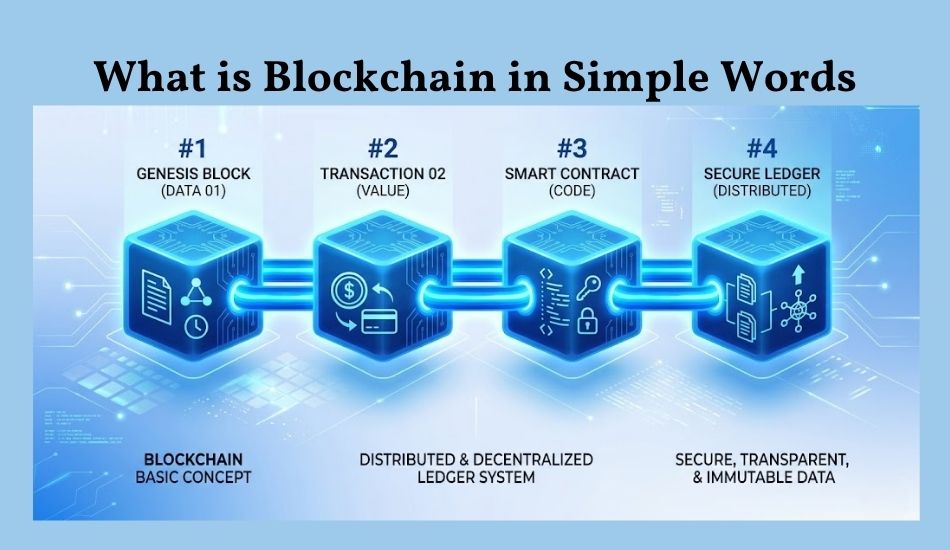
Think of blockchain like a shared notebook. Everyone can see it. No one can secretly change it. When you write something, it stays there forever.
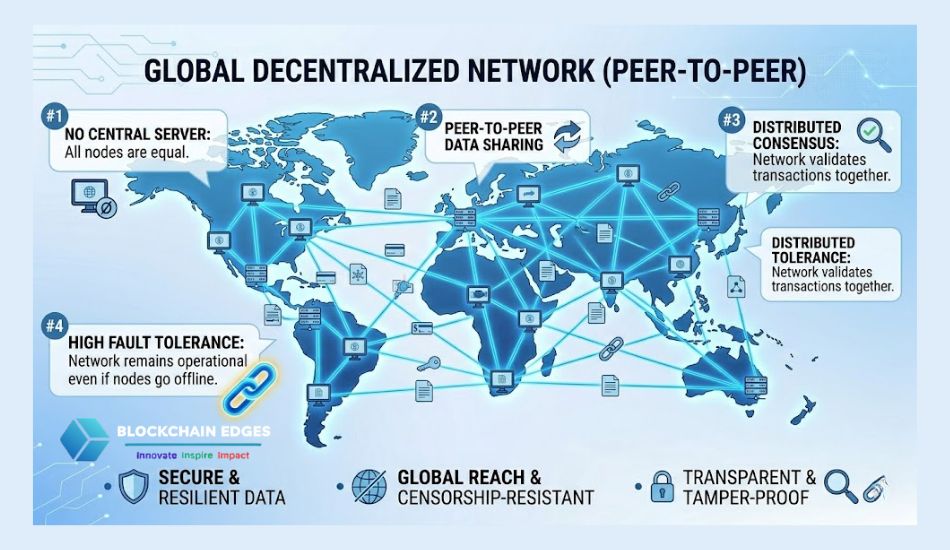
This idea is called a Distributed Ledger. It works on a Peer-to-Peer Network, so no single person or bank controls it. That means more freedom and more trust for you.
Right now, many people worry about online fraud, hidden fees, and slow payments. Blockchain solves these problems using strong safety tools, such as cryptography and smart automation, such as Smart Contracts. Big platforms like Ethereum already use it to build new digital systems.
In this guide, you will learn blockchain step by step. No hard words. No confusion. Just clear ideas, real examples, and simple answers you can trust.
What Is Blockchain in Simple Words?
Basically, a blockchain is a shared, digital record book (ledger) that tracks information, like money or ownership, without needing a central authority like a bank. It is decentralized, meaning copies exist on many computers worldwide, making it highly secure and impossible to alter records.
Easy Key Concepts in Simple Words:
- Blocks: Digital containers that store transaction data.
- Chain: The linking of blocks in chronological order.
- Decentralized Ledger: A database shared by everyone in the network, not just one company.
- Immutable: Once a block is added, it cannot be changed or deleted.
If you think of blockchain as a shared notebook. Many people can see it at the same time. No one can erase or change what is already written. Each new record is added in order. This record system is called a Distributed Ledger.
You do not need a bank to keep this notebook safe. Instead, many computers work together in a Peer-to-Peer Network. This means you are not trusting one company. You are trusting the whole network.
How Does Blockchain Work Step by Step?
You can think of this as a simple journey.
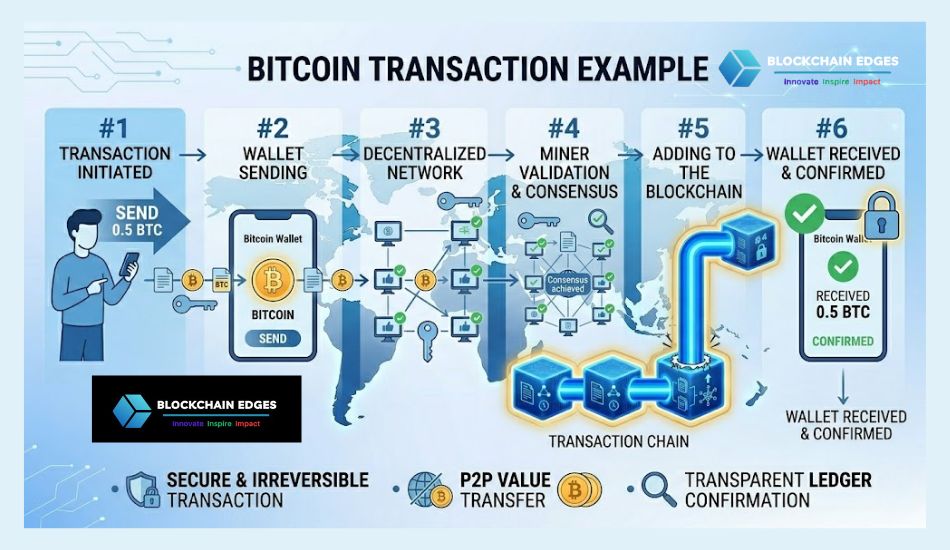
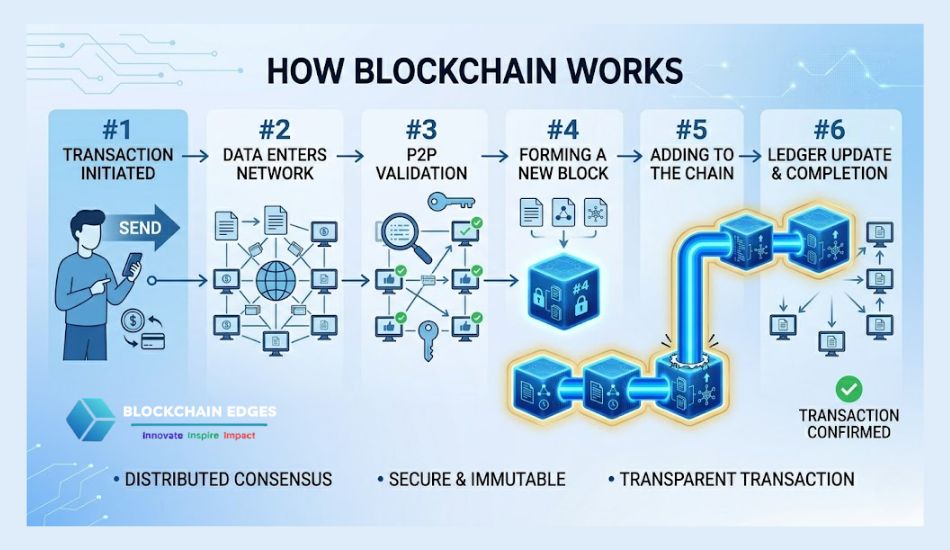
First, you send money or data. Your request does not go to one place. It goes to many computers in a network. These computers check if your request is real and valid. If everything looks correct, your data is grouped into a block.
Next, this block is locked using a Hash Function. This lock keeps the data safe and unchanged. After that, the block is added to the chain of previous blocks. This chain keeps growing over time.
Once your block is added, no one can change it. That is why blockchain is trusted.
Can You See a Real-Life Example of Blockchain?
Yes, and you may already know one.
Usage Examples:
- Cryptocurrency: Tracking Bitcoin or Ethereum transactions.
- Supply Chains: Tracking items from production to delivery for accuracy.
- Smart Contracts: Self-executing contracts with rules written into code.
- Digital Ownership: Storing medical records, land titles, or voting records.
You can understand blockchain better with a simple example. Imagine you send Bitcoin to your friend’s wallet. You do not need a bank.
Instead, many computers check your payment. Once verified, it is added to the blockchain. Now, everyone in the network can see that the payment happened, and no one can change it.
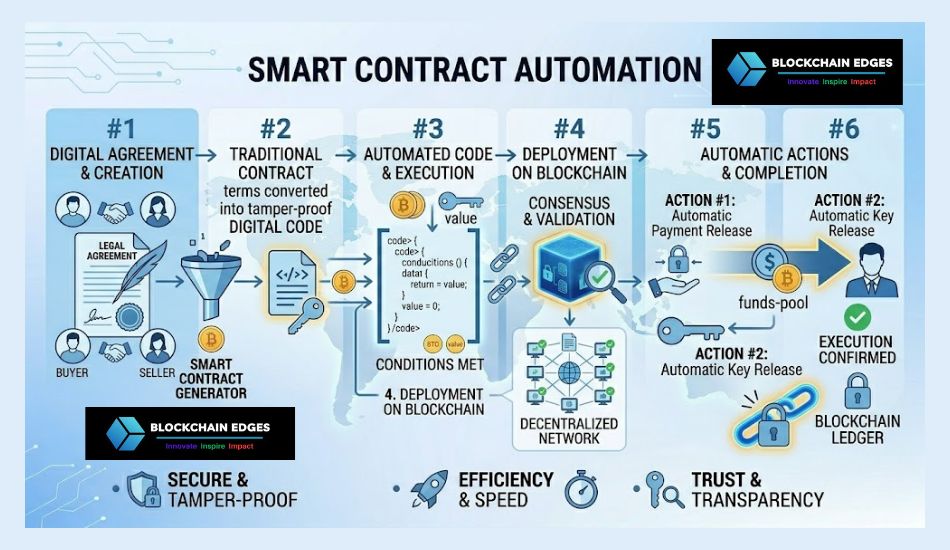
You can also see blockchain in apps built on Ethereum. These apps use Smart Contracts to run automatically.
For example, a payment can be sent only when a condition is met. No person needs to control it.
Key Real-World Blockchain Examples:
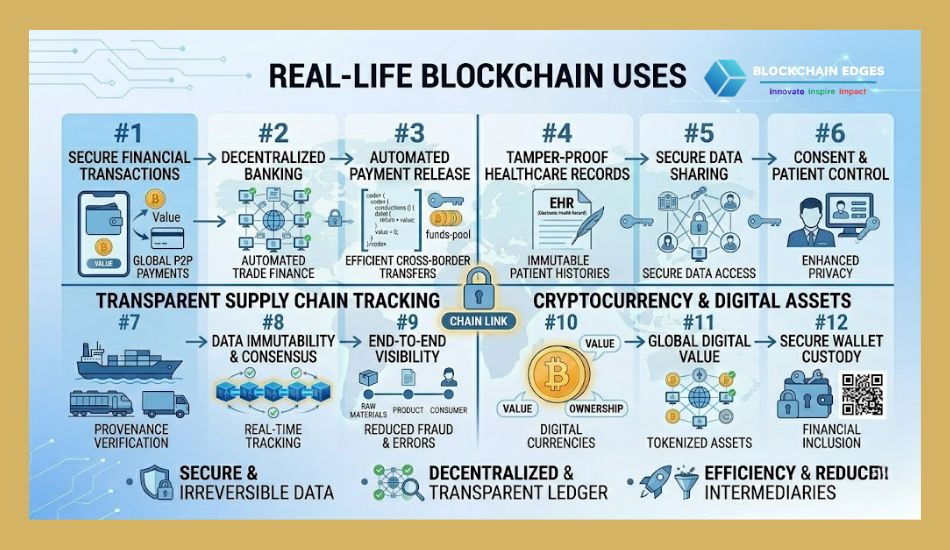
- Cryptocurrency (Bitcoin/Ethereum): Digital currencies that operate without banks, using a public ledger to record transactions securely.
- Supply Chain Management (IBM Food Trust): Traces food items from origin to consumer, increasing food safety and transparency.
- Healthcare Records (Gem): Secures sensitive patient data so it cannot be altered and is accessible only to authorized individuals.
- Intellectual Property (Sony Music): Manages digital rights and licenses for artists, improving royalty distribution.
- Digital Identity (Guardtime): Provides secure, keyless signature systems for authentication.
Another real-life use is tracking products. A company can track a product from the factory to your home. You can see every step clearly. This makes the system honest and easy to trust.
Why Is Blockchain So Secure and Trusted?
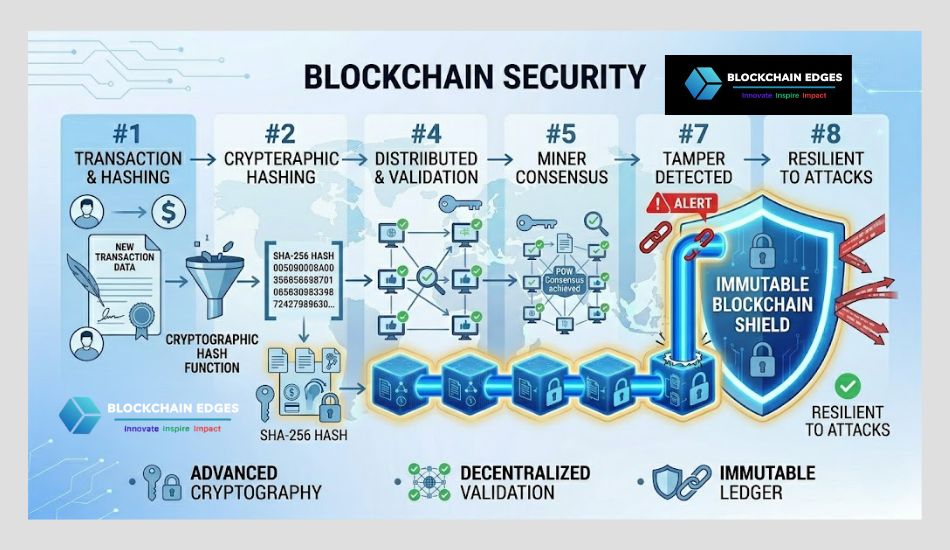
Blockchain uses strong protection. It removes the need for trusted intermediaries (like banks or brokers), reducing fees and risks of fraud.
- It uses Cryptography to lock data
- It spreads data across many computers
- It does not allow silent changes
Also, there is no central control. This idea is called Decentralization. That is why you can trust the system more.
7 Most Sectors: Does Blockchain Matter to Your Real-Life Applications?
Blockchain solves real problems you face:
- Slow payments → now faster
- High fees → now lower
- Fraud risk → now safer
You do not need to depend on banks for every transaction. You get more control over your money and data.
1. Key Real-Life Applications of Blockchain Supply Chain Management:
- Walmart/Food Safety: Walmart uses blockchain to track the provenance of products from farm to table, reducing food traceability time from days to seconds.
- De Beers/Diamonds: The diamond producer uses its “Tracr” platform to track diamonds, ensuring they are not from conflict zones and are authentic.
- Nestlé/Baby Formula: Consumers can scan a QR code to trace the journey of baby formula, ensuring Nestlé/Baby Formula hasn’t been tampered with.
2. Healthcare Records: Are Big Companies Using Blockchain Today?
MedicalChain: Uses blockchain to securely store electronic health records (EMRs), allowing patients to control access to their data and enabling specialists to access accurate histories.
3. Finance and Transactions: What Is Blockchain in Simple Words for Real-life Management?
- Ripple (XRP): Facilitates instant, low-cost cross-border payments between financial institutions.
- Central Bank Digital Currencies (CBDCs): Governments are exploring blockchain for faster interbank settlements and increased financial inclusion.
4. Logistics: What Is Blockchain in Simple Words for Real-life Management?
Maersk/TradeLens: Uses a blockchain-based, end-to-end tracking system to provide real-time visibility of shipments across international borders.
5. Real Estate and Land Registry: Are Big Companies Using Blockchain Technology?
Propy: Facilitates online, secure property sales, and governments like Estonia use blockchain for secure land titling.
6. Digital Identity & Voting:
Estonia: Employs blockchain to manage digital identities and secure public records, allowing citizens to monitor who accesses their data.
7. Charity: What Is Blockchain in Simple Words, Real-life Management
BitGive: Uses blockchain to provide transparent, real-time tracking of charitable donations.
These applications rely on blockchain’s ability to create a secure, tamper-proof record of data shared among multiple stakeholders without relying on a central authority.
How Is Blockchain Different from Traditional Systems?
Here is a simple view:
| Feature | Blockchain | Traditional System |
| Control | No central authority | Controlled by banks |
| Transparency | Open to all | Mostly private |
| Security | Very high | Can be hacked |
| Speed | Fast (global) | Often slow |
Is Blockchain Only Used for Cryptocurrency?
No, not at all.
Yes, it powers Bitcoin. But it also helps in:
- Healthcare records
- Online voting
- Digital identity
- Supply chain tracking
Big companies like IBM use blockchain for business solutions.
Is Blockchain Safe for Beginners?
Yes, but you need to stay careful.
Blockchain itself is very safe. But mistakes can happen if:
- You share your wallet keys
- You trust unknown apps
So always learn before you invest or use it.
What Should You Remember About Blockchain?
Blockchain is simple when you break it down:
- It is a shared digital notebook
- It cannot be changed easily
- It removes the need for middlemen
- It gives you more control and safety
Now you understand blockchain in simple words. You can explain it to others with confidence.
Related Terms:
- Distributed Ledger Technology (DLT): The broader category for blockchain technology.
- Shared Digital Database: A common way to describe how data is stored.
- Peer-to-Peer Network: How computers share the database directly without a central server.
Final Insight: What Makes Blockchain So Secure and Trusted?
If your reader can explain blockchain to a friend after reading your article, you win.
If they feel confused, Google will drop your page.
Blockchain may sound hard at first, but you can now see that it is simple. It is just a safe and shared way to store and send information. No single person controls it. No one can easily change it.
When you understand ideas like Decentralization and Cryptography, you start to see why people trust blockchain. It gives you more control, more safety, and more freedom in the digital world.
As tools like Bitcoin and Ethereum grow, blockchain is becoming part of everyday life. You do not need to be an expert. You just need to understand the basics, and now, you do.
Relevant article: The Future of Crypto Business? Why Are Smart Contracts on Blockchain Edges Game-Changers?
FAQs: Common Questions About Blockchain.
1. Is blockchain only used for Bitcoin?
No. Blockchain is used in many areas. It helps in healthcare, supply tracking, digital identity, and more. Bitcoin is just one use of it.
2. Who controls blockchain?
No single person or company controls it. It runs on a Peer-to-Peer Network. Many computers work together, so control is shared.
3. Is blockchain safe?
Yes, it is very safe. It uses Cryptography to protect data. Once data is added, it is very hard to change.
4. Can blockchain be hacked?
It is very difficult to hack blockchain. You would need to control most of the network at once, which is almost impossible in large systems.
5. What is a smart contract?
A smart contract is a program that runs by itself. It follows simple rules. When the rules are met, it works automatically.
6. Do you need technical knowledge to use blockchain?
No. You can use many blockchain apps easily. But learning basic ideas will help you stay safe and make better choices.
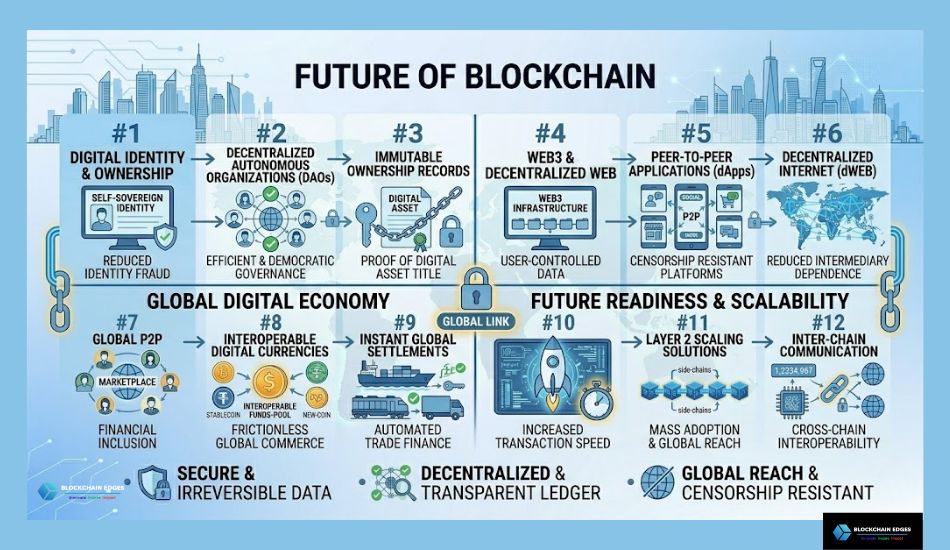
7. Why is blockchain important for the future?
Blockchain can make systems faster, safer, and more open. It removes middlemen and gives you more control over your money and data.
