


 Alex Rommal
 Is Cryptocurrency Safe? If you’re thinking about buying Bitcoin or another cryptocurrency in 2027, you may have one big question. Can you invest without losing money to scams, hackers, or sudden price drops?
Your concern is real. You may have seen news about crypto scams, hacked exchanges, stolen digital wallets, or investors losing their savings overnight.
At the same time, you hear people talking about Bitcoin, Ethereum, and the future of digital money. This can leave you confused about what’s legitimate and what’s dangerous.
Cryptocurrency is not completely safe or automatically a scam. Your risk depends on what you buy, where you buy it, and how you protect your money.
For example, Bitcoin and Ethereum are established cryptocurrencies, but their prices can still change sharply.
A trusted crypto exchange may offer security features and follow US regulations, but that doesn’t remove every risk.
Even a secure digital wallet cannot protect you from sending funds to a fake investment platform.
Before you make your first purchase, you need to understand the difference between crypto investment risks, legitimate crypto exchanges, and common cryptocurrency scams.
You should also know how US regulators, such as the Securities and Exchange Commission (SEC), the Commodity Futures Trading Commission (CFTC), and the Financial Crimes Enforcement Network (FinCEN), fit into the crypto market.
Their roles differ, and not every crypto exchange or coin has the same regulatory status. Rules also vary across countries.
You’ll learn how to check a crypto exchange, recognize fake investment offers, understand the risks of Bitcoin and Ethereum, and protect your digital assets.
You’ll also discover five essential rules to follow before buying your first cryptocurrency.
You’ll have a clearer way to judge whether a crypto investment fits your risk tolerance, rather than relying on hype, fear, or promises of quick profits.
Is Cryptocurrency Safe for Beginners in 2027?
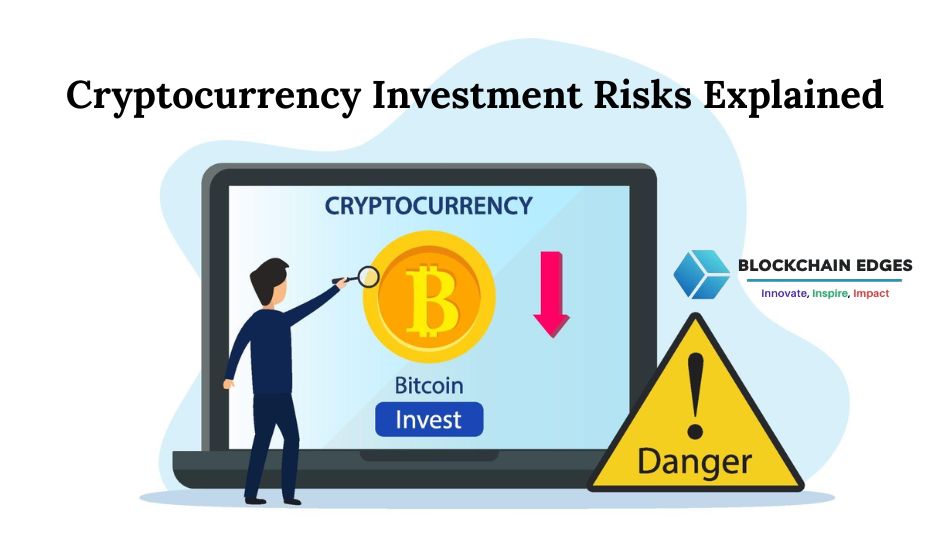
Cryptocurrency can be safe to use in some situations, but it is not a risk-free investment.
If you buy Bitcoin or Ethereum through a legitimate exchange, use strong account security, and protect your wallet, you can reduce some risks. However, no security method can prevent every loss.
As a beginner, you should understand these four main risks:
- Price volatility: Crypto prices can rise or fall sharply. You may lose a large part of your investment.
- Crypto scams: Fake websites, fraudulent investment offers, and phishing messages can steal your money.
- Exchange risks: Exchanges can face hacks, financial problems, or withdrawal restrictions.
- Wallet mistakes: Losing your recovery phrase or sending crypto to the wrong address can result in permanent loss.
Your location also matters. In the United States, crypto regulations depend on the asset, service, and activity. Other countries have different rules for buying, selling, and holding cryptocurrency.
What should you do? Start by checking the exchange, understanding the risks of the cryptocurrency you want to buy, and investing only money you can afford to lose.
What Are the Biggest Risks of Investing in Cryptocurrency?
Before you buy cryptocurrency, you need to know how you could lose money. Crypto risks go beyond falling prices. Scams, exchange failures, and wallet mistakes can also affect your investment.
| Risk | What it means | How to protect yourself |
| Market volatility | Crypto prices can drop sharply in a short time. | Avoid investing money you need for daily expenses. |
| Crypto scams | Fake platforms and fraudsters may steal your funds. | Check websites, company details, and investment claims. |
| Exchange failure | An exchange may face financial problems or stop withdrawals. | Research the exchange and avoid keeping all your funds on one platform. |
| Hacking | Attackers may steal funds or account details. | Use two-factor authentication and strong passwords. |
| Wallet mistakes | Lost recovery phrases or incorrect transfers can cause permanent losses. | Keep your recovery phrase private and verify wallet addresses. |
| Regulatory changes | New laws may affect crypto services in your country. | Check local rules before buying or trading. |
Your biggest protection is to check before you invest. A platform that looks professional is not always trustworthy. Never rely on online reviews or social media promotions alone.
Remember: You can reduce these risks, but you cannot remove them completely.
Which Crypto Exchanges Can You Use in the US?
If you’re investing from the United States, you can research these crypto exchanges and check which services are available in your state.
| Exchange | What you should know |
| Coinbase | Registered with FinCEN as a money services business and licensed for money transmission in many US jurisdictions. |
| Kraken | Holds various US registrations and state licenses. Its services and availability vary by location. |
| Gemini | Has US money services registration and state-level licenses, with a New York trust charter. |
| Crypto.com | Has US entities with money services registration and various state licenses. |
| Bitstamp | Has US operations with money services registration and applicable state licenses, including a New York virtual currency license. |
These platforms have different fees, supported coins, security features, and account requirements. Their regulatory status also differs by service and location.
Before signing up, visit the exchange’s official website and check its current licenses. If you’re outside the US, use your country’s financial regulator to check local registration requirements.
Important: A registered or licensed exchange is not a risk-free exchange. Crypto holdings may not have the same protections as money in an insured bank account.
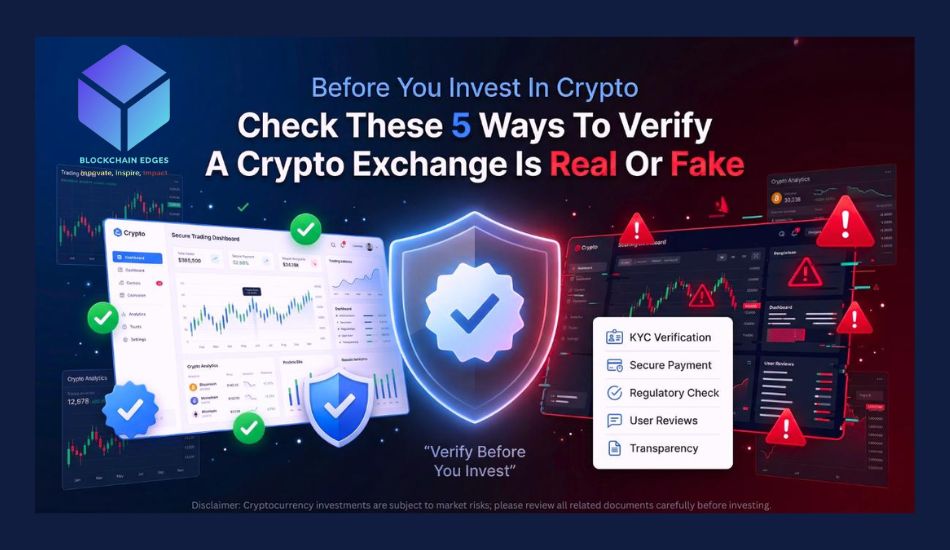
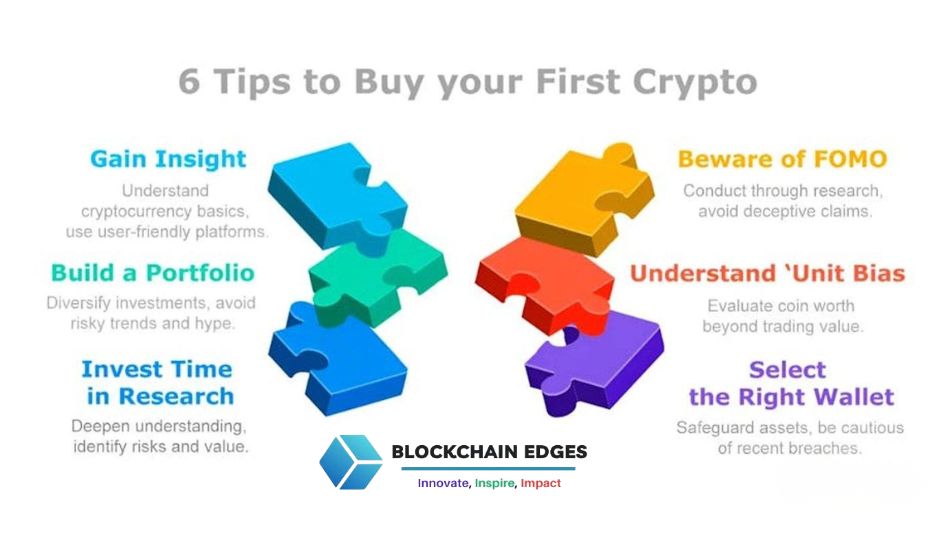
5 Rules to Follow Before Buying Your First Cryptocurrency
Buying your first cryptocurrency doesn’t have to be complicated. You need a clear plan to avoid common mistakes and protect your money.
1. Start With Bitcoin or Ethereum Research
Before buying any coin, learn what it does and why people use it. Bitcoin is a digital currency, while Ethereum supports smart contracts and decentralized apps.
Don’t buy a cryptocurrency just because someone on social media says its price will rise.
2. Choose a Trusted Crypto Exchange
Check the exchange’s regulatory status, security features, fees, and withdrawal rules. If you’re in the US, review the relevant state and federal records.
Avoid platforms that promise guaranteed profits or pressure you to deposit money quickly.
3. Invest Only What You Can Afford to Lose
Crypto prices can fall sharply. Never use your emergency savings, rent money, or borrowed money to buy cryptocurrency.
Start with an amount that won’t affect your daily needs if its value drops.
4. Secure Your Crypto Wallet
Use a strong, unique password and enable two-factor authentication on your exchange account.
If you use a personal crypto wallet, keep your recovery phrase offline and private. Never share it with anyone, even someone claiming to be customer support.
5. Check the Risks Before Every Purchase
Before buying, check the coin’s price history, project details, trading risks, and any major warning signs.
Don’t rush into a purchase because of market hype. Set a clear budget and decide how much risk you’re willing to accept.
The key rule: Understand what you’re buying before you spend your money. A little research can help you avoid costly mistakes.
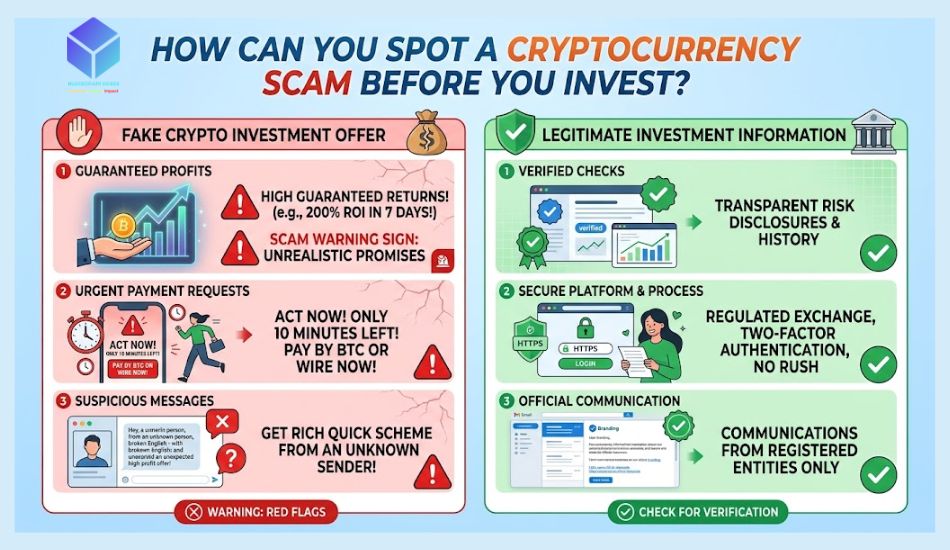
How Can You Spot a Cryptocurrency Scam Before You Invest?
A crypto scam can look like a real investment. The website may have a professional design, fake reviews, and claims about large profits.
Watch for these warning signs:
- Guaranteed returns: No legitimate crypto investment can promise a guaranteed profit.
- Pressure to act fast: Scammers may tell you to invest today or lose a special opportunity.
- Unexpected messages: Be careful with investment offers sent through social media, email, or messaging apps.
- Requests for your recovery phrase: Your seed or recovery phrase should never be shared.
- Fake support agents: Someone claiming to be exchange support may ask you to send crypto or give remote access to your computer.
- Unusual payment methods: Be cautious if someone demands cryptocurrency, gift cards, or other hard-to-reverse payments.
- Too-good-to-be-true profits: Claims of turning a small deposit into huge profits are a major warning sign.
Before sending money, stop and verify the company through its official website and relevant regulator. If you cannot clearly explain where your money is going, don’t send it yet.
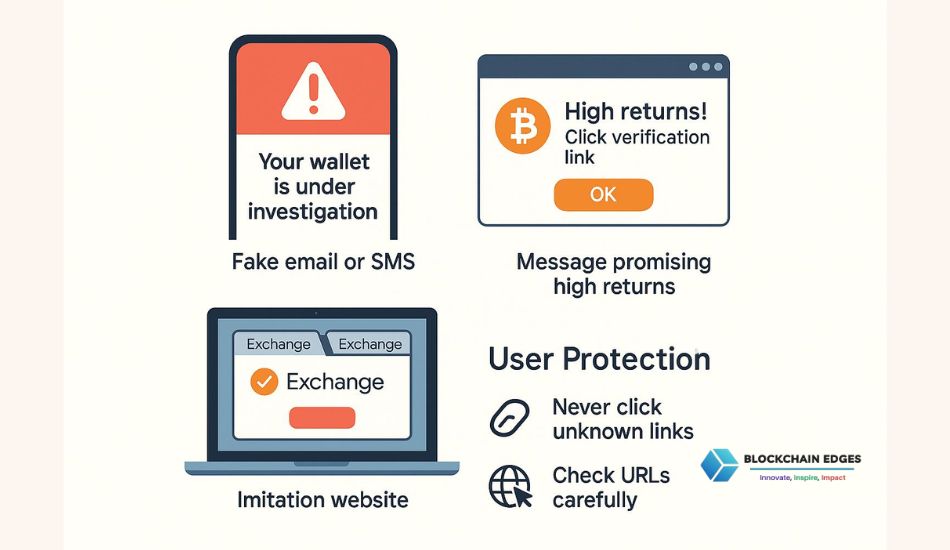
How Can You Protect Your Cryptocurrency After Buying It?
Buying crypto is only the first step. You also need to protect your account and wallet after the purchase.
Use these simple security steps:
- Turn on two-factor authentication: Add an extra login check to your exchange account.
- Use a unique password: Don’t reuse your email or banking password.
- Protect your recovery phrase: Write it down and store it somewhere private and secure. Never save it in a public post or send it through chat.
- Check every wallet address: Crypto transfers can be difficult or impossible to reverse after you confirm them.
- Keep your software updated: Update your wallet, phone, and computer to reduce security risks.
- Ignore unsolicited support messages: Contact the exchange through its official website or app if you need help.
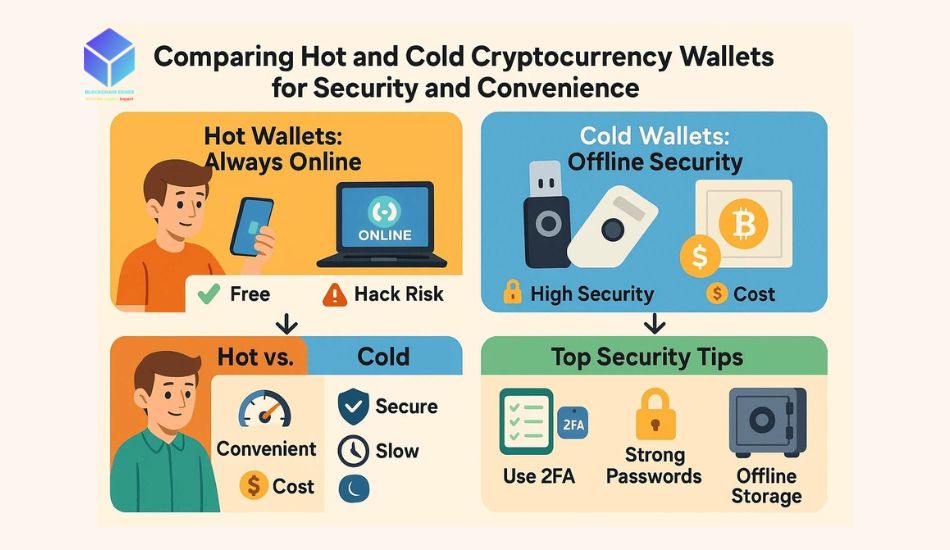
- Consider a hardware wallet: If you hold a larger amount for the long term, a hardware wallet can keep your private keys offline.
You don’t need complicated security tools to get started. Your first goal is to control who can access your account and never give anyone your private keys or recovery phrase.
What Should You Check Before Buying Your First Crypto?
You don’t need to understand every part of blockchain technology before you buy. But you should answer a few basic questions first.
- Check the project: Find out what the cryptocurrency is designed to do. Read its official documentation and learn who develops it. Be careful if you cannot find clear information about the project.
- Check the market risk: Look at the current price, past price changes, market size, and trading activity. Past performance does not tell you what the price will do next.
- Check where you will buy it: Use an exchange that clearly explains its fees, security measures, supported assets, and withdrawal rules. Make sure the service is available and permitted where you live.
- Check how you will store it: Decide whether you will keep the crypto on an exchange or move it to your own wallet. Each option has different security and access risks.
- Check the reason you’re buying: Ask yourself what you expect from the investment and how much you could afford to lose. If your only reason is that the price is rising or someone promised quick profits, stop and research more first.
A simple rule: Don’t buy a cryptocurrency until you understand what you’re buying, where your money is going, and what could make you lose it.
Is Bitcoin Safer Than Other Cryptocurrencies?
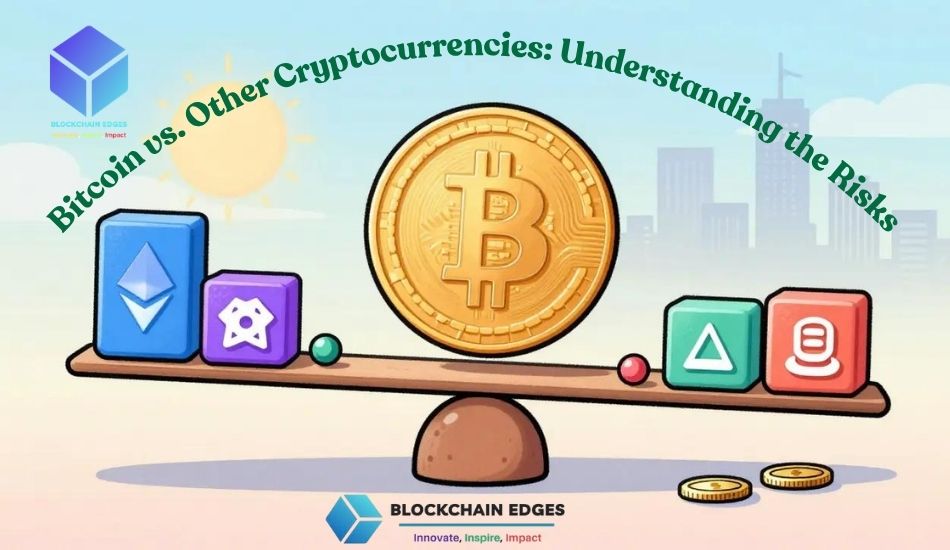
Bitcoin is often the first cryptocurrency a beginner considers, but calling any crypto investment “safe” can be misleading.
Bitcoin has been operating since 2009 and has a large market, broad exchange support, and a long public trading history.
However, its price can still move sharply. A large market does not protect you from investment losses.
Other cryptocurrencies can have different risks. Some depend on a smaller project, have lower trading volume, or use newer technology.
Some tokens may also lose most of their value if demand falls or the project fails.
Before you compare Bitcoin with another cryptocurrency, look at:
- How long the project has operated
- What the cryptocurrency is used for
- How widely it is traded
- Who controls the project
- How its tokens are created and distributed
- What risks are explained in its official documents
So, instead of asking only “Which crypto is safe?”, ask “What risks does this cryptocurrency have, and can I afford them?” That gives you a more useful starting point as a new investor.
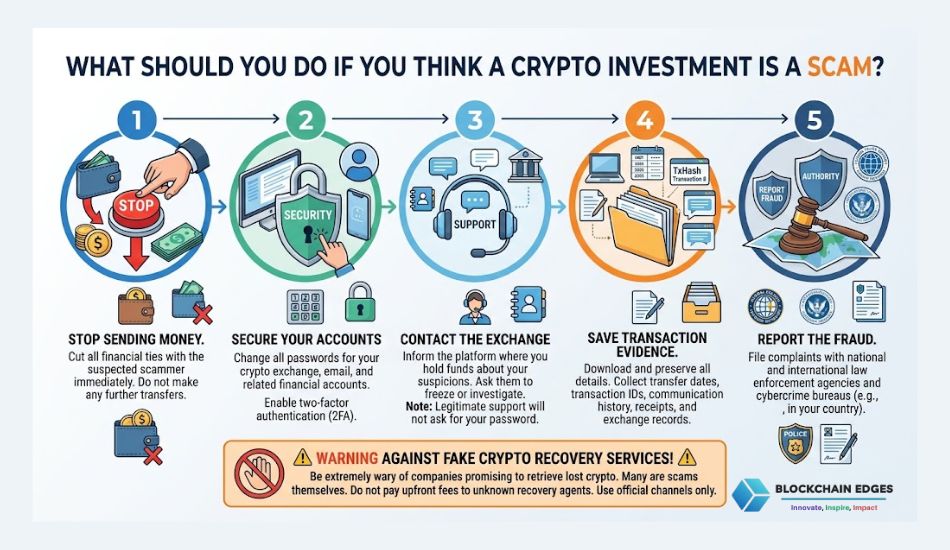
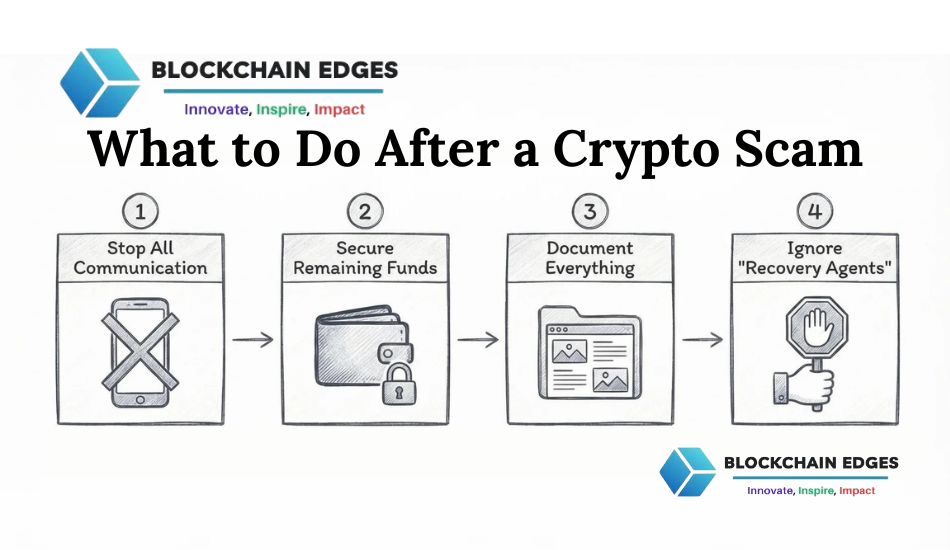
What Should You Do If You Think a Crypto Investment Is a Scam?
If something feels wrong after you send money, act quickly. Do not send more money to “unlock” your account or recover your funds.
- Stop communicating with the scammer. Don’t follow new payment or withdrawal instructions.
- Secure your accounts. Change passwords and turn on two-factor authentication.
- Contact the exchange or wallet provider. Use its official website or app, not a phone number or link sent by the person who contacted you.
- Save the evidence. Keep transaction IDs, wallet addresses, emails, messages, website addresses, and payment records.
- Report the fraud. In the US, you can report suspected cryptocurrency fraud to agencies such as the Federal Trade Commission (FTC), Federal Bureau of Investigation (FBI), and Securities and Exchange Commission (SEC).
- Be careful with recovery scams. Someone may later claim they can recover your crypto for an upfront fee. This can be another scam.
Important: Crypto transactions are often difficult to reverse. Reporting a scam does not guarantee that your money will be recovered, so your priority should be stopping further losses.
Is Cryptocurrency Safe for You?
There is no single answer for every investor. Your risk depends on how much you invest, what you buy, where you buy it, and how you store it.
Before you invest, ask yourself:
- Can you afford to lose the money?
- Do you understand the cryptocurrency you’re buying?
- Have you checked the exchange or platform?
- Do you know how you will protect your account and wallet?
- Are you making the decision yourself rather than following a social media tip?
- Can you handle a large price drop without needing the money?
If you cannot answer these questions yet, take more time to learn before buying.
Crypto safety starts with your own decisions. Research the asset, verify the platform, protect your account, and never invest money you cannot afford to lose.
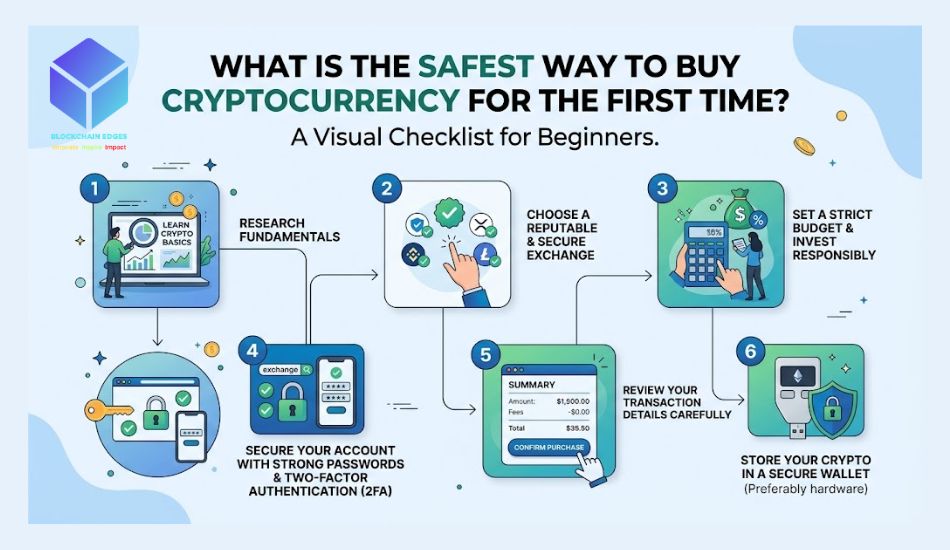
What Is the Safest Way to Buy Cryptocurrency for the First Time?
Your first crypto purchase should be simple and easy to verify. You don’t need to start with a large amount or buy several coins at once.
Follow this basic process:
- Choose the cryptocurrency: Learn what it does and why you want to own it.
- Verify the exchange: Check its official website, fees, security features, and availability in your country or state.
- Create and secure your account: Use a unique password and enable two-factor authentication.
- Start with a small amount: Use money you can afford to lose.
- Review the order: Check the asset, amount, price, fees, and destination before confirming.
- Store your crypto carefully: Understand how exchange custody and personal wallets differ before moving your funds.
- Keep records: Save your transaction details for your own records and any tax reporting that may apply.
Don’t let a price jump force you into a rushed decision. A slow first purchase gives you time to check each step and spot problems before they become expensive mistakes.
What Are the Safest Habits for New Crypto Investors?
Once you buy crypto, good habits can help you avoid many common problems. You don’t need to trade every day or watch prices all day.
- Keep your investment size under control: Don’t increase your position just because the price is rising.
- Ignore profit promises: Real investments can lose value.
- Verify links before you log in: Use the exchange’s official website or app instead of links from messages.
- Never share private keys: Your private key and recovery phrase should stay private.
- Review your accounts regularly: Check for unfamiliar logins, withdrawals, or transactions.
- Keep learning: Crypto rules, products, and security threats can change over time.
- Don’t rush after a price move: A sudden rise or fall is not a reason by itself to buy or sell.
The goal isn’t to remove every risk. It’s to understand the risks well enough to make careful decisions with your own money.
What Are the Biggest Mistakes Crypto Beginners Make?
Many crypto losses happen because a beginner acts before checking the basics. These mistakes are easy to avoid when you know what to watch for.
| Beginner mistake | Why it creates risk | Better approach |
| Buying because of social media hype | You may buy without understanding the asset. | Research before buying. |
| Investing with borrowed money | A price drop can create debt you still have to repay. | Use only money you can afford to lose. |
| Trusting guaranteed-profit claims | Legitimate investments cannot promise guaranteed crypto returns. | Treat guaranteed returns as a warning sign. |
| Keeping your recovery phrase online | Someone who gets it may gain access to your wallet. | Store it privately and offline. |
| Sending crypto without checking the address | Some transfers cannot be reversed. | Check the address before confirming. |
| Putting all your money into one coin | A sharp price fall can cause a large loss. | Understand concentration risk before investing. |
| Using an unknown exchange | You may have fewer protections or difficulty withdrawing funds. | Research the platform first. |
| Chasing a sudden price rise | You may enter after a large move and face a quick decline. | Follow your plan instead of market hype. |
You don’t need to avoid every mistake perfectly. Your first job is to slow down, check the facts, and protect your money before you click “Buy.”
What Should You Remember Before Investing in Cryptocurrency?
You don’t need to decide whether cryptocurrency is completely safe or completely dangerous. You need to understand where the risks come from and how you can manage them.
Before your first purchase, remember these five points:
- Crypto prices can fall quickly.
- Scams can look like real investment opportunities.
- A legitimate exchange does not remove investment risk.
- Your account and wallet security are your responsibility.
- Never invest money you cannot afford to lose.
If you’re in the US, check the current rules and registration information that apply to the exchange and crypto service you plan to use. If you’re outside the US, check your local financial regulator.
Start small, verify everything, and don’t invest because someone promises you easy money.
Final Takeaway: Is Cryptocurrency Safe? How to Check If a Crypto Exchange Is Legitimate
Is Cryptocurrency Safe? It depends on the asset, platform, security steps, and amount you choose.
You can lower some risks by researching before you buy, checking your exchange, protecting your wallet, and avoiding promises of guaranteed profits. But you cannot remove market risk from cryptocurrency.
Before you invest in 2027, use these five rules:
- Research the cryptocurrency first.
- Verify the exchange and its applicable regulatory status.
- Start with money you can afford to lose.
- Protect your account, private keys, and recovery phrase.
- Stop and verify any offer that promises fast or guaranteed profits.
If you’re still unsure, don’t rush. Keeping your money until you understand the investment is also a valid choice.
Helpful article: How to Avoid Crypto Scams: 10 Red Flags
FAQs About Cryptocurrency Safety: How to Protect Your Crypto Wallet?
1. Is cryptocurrency safe for beginners?
Cryptocurrency carries real risks, including price changes, scams, hacks, and wallet mistakes. You can reduce some risks by researching the asset, using a reputable platform, securing your account, and investing only what you can afford to lose.
2. Can you lose all your money in cryptocurrency?
Yes. A cryptocurrency can lose most or all of its value. You can also lose funds through fraud, theft, or mistakes such as sending crypto to the wrong address.
3. Is Bitcoin safe to invest in?
Bitcoin has a long operating and trading history, but that does not make it risk-free. Its market price can change sharply, so you should consider your own financial situation before buying.
4. How do you know if a crypto exchange is legitimate?
Check the company’s official information, security practices, fees, withdrawal rules, and regulatory status where applicable. In the US, also check the relevant federal and state regulators.
5. Can crypto scams be recovered?
Recovery is not guaranteed. Crypto transfers can be difficult to reverse. If you are scammed, stop sending money, secure your accounts, save transaction records, and report the fraud to the appropriate authorities.
6. Should you keep cryptocurrency on an exchange or in a wallet?
Both options have different risks. An exchange can provide easier access, while a personal wallet gives you direct control of your keys. If you use a personal wallet, losing your recovery phrase can mean losing access to your funds.
7. What is the biggest crypto safety rule for beginners?
Don’t invest until you understand what you’re buying, where your money is going, and what could cause you to lose it.
